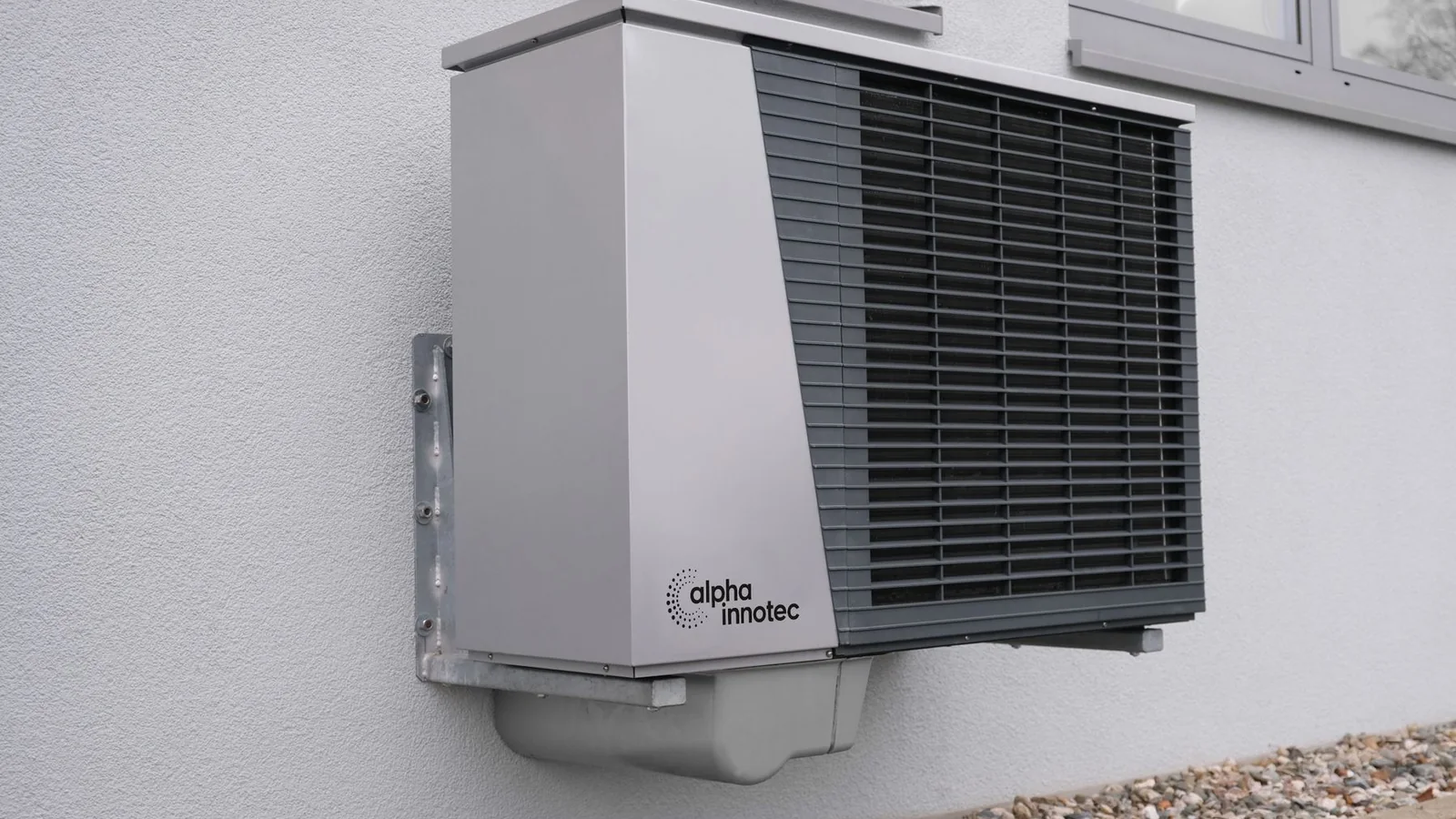
A heat pump and a gas furnace can both heat a home well, but they do it in fundamentally different ways. A furnace burns fuel to create heat. A heat pump uses electricity to move heat from outdoors to indoors—and it can reverse direction to provide air conditioning. The best choice depends on the house, climate, utility rates, ductwork, and the exact equipment being compared.
Quick comparison
| Decision factor | Air-source heat pump | Gas furnace |
|---|---|---|
| Heating method | Transfers outdoor heat indoors | Burns natural gas or propane |
| Cooling | Usually included | Requires a separate AC system |
| Efficiency metric | HSPF2/COP for heating; SEER2 for cooling | AFUE |
| Cold-weather behavior | Capacity and efficiency vary by model and temperature | Output is less affected by outdoor temperature |
| On-site combustion | None | Yes; requires safe venting and combustion setup |
| Possible hybrid | A dual-fuel system pairs a heat pump with a furnace | |
How each system uses energy
Because a heat pump moves heat instead of creating it through resistance or combustion, it can deliver more heat energy than the electrical energy it consumes. Performance is commonly described with HSPF2 for seasonal heating and coefficient of performance (COP) at specific conditions. Its cooling efficiency is described with SEER2.
A furnace converts fuel into delivered heat. AFUE expresses annual fuel utilization efficiency: an AFUE of 95% means the rating method estimates that 95% of the fuel’s energy becomes useful heat over a season, with the remainder lost. HSPF2 and AFUE are not directly interchangeable, so a higher-looking number in one column does not by itself identify the lower-cost system.
Climate matters—but equipment selection matters more
Older conventional heat pumps lost substantial capacity as outdoor temperatures fell. Modern cold-climate models use variable-speed compressors and improved controls to maintain much more output at low temperatures. ENERGY STAR’s current cold-climate criteria test performance at 5°F and require qualifying split systems to retain at least 70% of their 47°F heating capacity at that test point.
That does not mean every heat pump is right for every cold house. The contractor needs the home’s design heating load, the candidate unit’s low-temperature capacity table, and a plan for temperatures below the unit’s balance point. Backup may be electric resistance heat, a furnace, or another appropriately designed source.
Operating cost cannot be answered from efficiency alone
Local electricity and gas prices can reverse the result. Compare the cost of delivered heat, not just the utility price printed on the bill. Also include fixed gas-service charges that may remain even if gas use becomes small.
A contractor or energy advisor should model:
- Hourly or seasonal heating demand for the home
- Electricity and fuel rates, including time-of-use pricing
- Heat-pump performance at local winter temperatures
- Furnace AFUE and distribution losses
- Backup-heat operation and the control changeover point
Be cautious with universal savings claims. A heat pump replacing electric resistance heat has a different economic case from one replacing an efficient gas furnace in a low-gas-price region.
Comfort feels different
Furnaces usually deliver hotter air in shorter cycles. Variable-speed heat pumps often run longer and deliver gentler, steadier heat. Long runtimes are not automatically a defect; they can improve temperature consistency and filtration when the system is sized and commissioned correctly.
Comfort problems are frequently design problems rather than technology problems. Oversized equipment, poor ductwork, inadequate returns, high leakage, and weak insulation can make either system noisy or uneven.
Installation and existing equipment
A heat pump may be attractive when…
- You need to replace both an air conditioner and heating system
- You currently use electric resistance, oil, or propane
- Your home has suitable ducts—or a ductless design makes sense
- You want heating and cooling from one electric system
- A load calculation supports an available model at your design temperature
A gas furnace may remain practical when…
- A relatively new furnace is already in good condition
- The house has very high heating loads that have not yet been reduced
- Electrical service or panel capacity would make electrification unusually costly
- Local fuel economics strongly favor gas after full operating costs are modeled
Do not overlook dual fuel
A dual-fuel system uses a heat pump for cooling and much of the heating season, then hands off to a gas or oil furnace under selected conditions. ENERGY STAR specifically identifies this as an option when a homeowner has a newer furnace but needs to replace an older central air conditioner.
The changeover temperature should be commissioned from equipment performance, utility prices, and comfort needs—not chosen by habit. A poor control setup can erase much of the value of the hybrid design.
Questions to ask before signing a proposal
- Will you perform and provide the Manual J load calculation?
- What is the proposed heat pump’s heating capacity at our winter design temperature?
- What backup heat is included, and when will it operate?
- Are duct changes, electrical upgrades, permits, and condensate work included?
- Which AHRI-matched indoor and outdoor components are being installed?
- What commissioning measurements will I receive?
- What are the parts, labor, and compressor/heat-exchanger warranties?
Bottom line
Choose from a house-specific calculation, not a slogan. A well-selected cold-climate heat pump can be a strong all-electric solution, a high-efficiency furnace can still be rational in some homes, and dual fuel can be a useful bridge. The installation quality and load calculation often matter as much as the badge on the cabinet.
Sources and image credit
- ENERGY STAR: Air-Source Heat Pumps
- ENERGY STAR: Heat Pump Key Product Criteria
- ENERGY STAR: Furnace Key Product Criteria
- U.S. Department of Energy: Pump Up Your Savings with Heat Pumps
Featured photo by alpha innotec on Pexels, used under the Pexels license.